
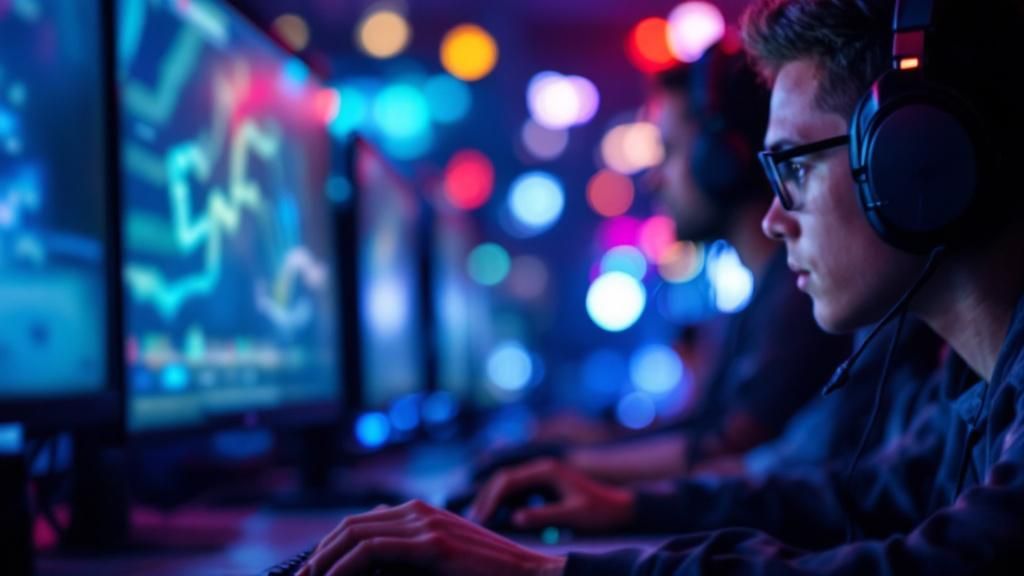
The esports industry has undergone a significant transformation, with professional teams finally recognising that competitive gaming demands as much psychological resilience as technical ability. Once dismissed as casual amusement, esports teams are now committing significant funding into broad-based psychological support. Recognising that burnout, anxiety, and mental health issues substantially influence performance. This change demonstrates a broader maturation of the sector, as leading teams employ sports psychologists, counsellors, and wellness programmes alongside their coaching teams, significantly altering how the industry looks after its athletes.
The Growing Significance of Psychological Wellbeing in Competitive Gaming
The esports landscape has undergone a profound shift in the past few years, with professional esports organisations increasingly acknowledging that mental health is as essential as mechanical skill and tactical understanding. Players competing at the highest levels encounter considerable pressure, demanding training regimens, and the constant scrutiny of global audiences. This demanding environment has resulted in broad recognition that psychological support is vital for maintaining top-level performance and safeguarding athletes’ general wellbeing across their careers.
Leading esports teams now acknowledge that investing in mental health infrastructure directly translates to improved competitive outcomes and lower player turnover. By introducing full-scale wellbeing initiatives, teams are tackling the distinct mental health pressures fundamental to competitive gaming, including performance anxiety, burnout, and loneliness. This forward-thinking strategy demonstrates that the esports industry is maturing beyond its initial stages, creating professional standards that prioritise player welfare alongside championship aspirations and business growth.
Comprehensive Mental Health Initiatives in Leading Companies
Leading esports entities have created integrated mental support frameworks that go well past fundamental advisory services. These comprehensive programmes integrate clinical support, health promotion activities, and peer mentoring systems created for the unique pressures of professional esports. Premier teams now employ specialised mental health staff, carry out regular psychological assessments, and establish nurturing spaces where discussing mental wellbeing is accepted rather than discouraged, significantly improving athlete support protocols.
Expert Mental Health Assistance
The recruitment of qualified psychological specialists has established itself as established procedure across elite esports organisations. Performance psychologists, clinical counsellors, and coaching specialists collaborate closely to manage the complex challenges competitors experience, encompassing competitive anxiety, competitive demands, and the mental impact of intense training schedules. These professionals provide personalised therapeutic sessions, team-based interventions, and crisis support mechanisms, guaranteeing competitors obtain evidence-based psychological care equivalent to traditional sports environments.
Specialist mental health services within esports teams extend beyond reactive crisis intervention to proactive wellbeing management. Organisations implement regular psychological screening, workshops on managing stress, and programmes designed to build resilience tailored to gaming contexts. Players benefit from confidential therapy support, programmes to improve sleep quality, and strategies for managing social media pressure, creating comprehensive support ecosystems that place emphasis on mental health throughout their careers.
- Sports psychologists with expertise in esports performance enhancement
- One-to-one counselling managing anxiety and depression
- Group psychological support workshops and resilience building
- Acute intervention frameworks and urgent mental health assistance
- Private therapy support with licensed mental health practitioners
Influence on Player Performance and Group Dynamics
The incorporation of mental wellbeing services has significantly boosted athlete performance across professional esports teams. Players who undergo mental health counselling and stress management training show better focus, faster reaction times, and improved consistency during intense competitive events. Furthermore, reduced anxiety and depression amongst squad members translates directly into enhanced decision-making during crucial matches, ultimately resulting in better competitive outcomes and prolonged competitive achievement.
Beyond individual performance indicators, thorough mental health support systems strengthen overall team cohesion and dynamics. When players receive emotional support, trust within the squad intensifies, promoting better communication and collaboration during gameplay. Teams that prioritise player psychological wellbeing report reduced interpersonal conflicts, higher morale, and more positive training environments. This integrated approach to player welfare establishes a positive cycle wherein healthier athletes achieve better performance, which in turn reinforces organisational success and team unity.
Emerging Trends and Regulatory Framework
The trajectory of psychological support services within competitive esports appears growing increasingly positive, with sector leaders anticipating extensive implementation of comprehensive wellness programmes. Major esports organisations are establishing benchmarks that smaller teams aspire to replicate, creating a competitive advantage through superior player welfare. As governing authorities and league commissioners recognise the link between psychological health and competitive results, uniform mental health standards are expected to become mandatory requirements rather than optional enhancements. This development mirrors trends in conventional sports, where mental health services has become indispensable to sporting success.
Looking ahead, the standardisation of psychological wellbeing conversations within competitive gaming environments will undoubtedly attract increased financial backing and mainstream recognition. Universities and esports academies are starting to integrate psychological wellbeing programmes into their curricula, ensuring aspiring competitors understand the significance of psychological resilience from the start. Furthermore, advanced technologies such as portable health monitoring devices and artificial intelligence-powered psychological assessment tools promise to improve preventative support measures. As the industry matures, mental health support will transition from a differentiating factor to an essential foundation of professional esports infrastructure.
